Top 5 Insulation Materials for Maximum Energy Efficiency
When it comes to enhancing energy efficiency in your home, choosing the right insulation material is crucial. Here are the Top 5 Insulation Materials that can help you reduce energy costs and maintain a comfortable indoor environment:
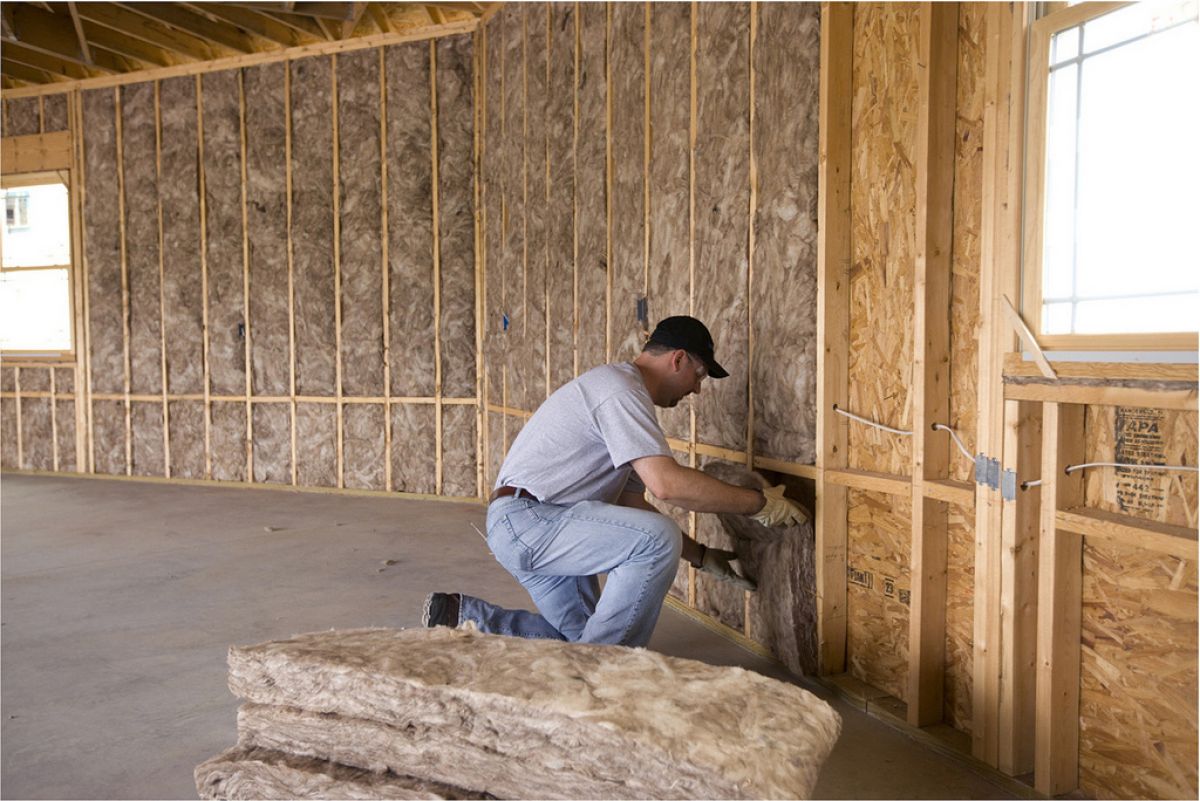
- Fiberglass Insulation - This popular option is known for its effectiveness and affordability. It’s non-combustible and can provide a high R-value per inch of thickness.
- Foam Board Insulation - Offering excellent thermal resistance, foam boards are great for foundation walls and unvented roofs.
- Spray Foam Insulation - Although pricier, spray foam expands on application to fill gaps, offering superior air sealing and thermal performance.
- Cellulose Insulation - Made from recycled paper, cellulose is an eco-friendly choice that provides good soundproofing and has a higher R-value than fiberglass.
- Mineral Wool Insulation - Also known as rock wool, this insulation is fire-resistant, water-repellent, and excellent for soundproofing.
How Proper Insulation Can Reduce Your Heating Bills
Proper insulation is a critical factor in maintaining an energy-efficient home. By effectively sealing off your living space from outside temperatures, you ensure that the heat generated by your heating system remains within your home. This insulation helps create a barrier that minimizes heat loss during the winter months, leading to substantial reductions in your heating bills. Homes with inadequate insulation often struggle to maintain warm temperatures, forcing heating systems to work overtime and consume excess energy, ultimately resulting in inflated monthly bills.
Additionally, investing in high-quality insulation materials can further enhance energy efficiency. Not only do they provide excellent thermal resistance, but they also improve overall comfort by reducing drafts and preventing cold spots. When considering options, focus on insulation solutions that offer the best R-value for your climate zone, as this will ensure maximum effectiveness. In summary, proper insulation not only contributes to a more comfortable living space but also plays a vital role in reducing heating expenses, making it a wise investment for homeowners.
Are You Missing Out? Key Signs Your Home Needs Better Insulation
Are you starting to notice that your energy bills are creeping higher each month? If your home feels drafty or uncomfortable despite your heating or cooling system working overtime, it may be time to consider the state of your insulation. Missing out on proper insulation can lead to significant energy loss, making your home less efficient. Look for key signs such as fluctuating indoor temperatures and drafts near windows or doors, which often indicate that your insulation is inadequate.
Another indicator that your home might need better insulation is the presence of ice dams on your roof or condensation on your windows. These issues often stem from heat escaping the living areas of your home, causing snow to melt and refreeze. Additionally, if you notice excessive moisture in your walls or a spike in allergy symptoms during certain seasons, it's a strong sign that better insulation could improve your home's comfort and health. Don't let these issues continue to disrupt your living space; addressing insulation now can lead to significant long-term savings and a cozier home.